Winter Roof Checklist for Sedona and the Verde Valley
Winter in the Verde Valley isn’t “snow country,” but it’s also not Phoenix. We get cold nights, the occasional dusting, and quick weather swings. Sedona sits up around 4,500–4,800 feet, so freeze-thaw is part of the deal.
If your roof already has a weak spot, winter is when it shows up. Usually as a drip that only happens during a storm. Or a stain that appears two days later.
This checklist is meant to be quick. Most of it is a ground-level walk-around. No hero stuff.
Know what winter usually does to roofs here
In Sedona, Cottonwood, and the surrounding Verde Valley, winter roof problems tend to come from a few simple things:
Water gets pushed where it doesn’t normally go. Wind-driven rain finds flashing gaps. Cold nights slow drying time. Debris blocks drainage.
If you’ve got a roof that’s already near the end of its life, winter doesn’t “cause” the failure. It just makes it obvious.

The 10-minute walk-around checklist
Do this from the ground. Use binoculars if you have them.
- Check the roofline
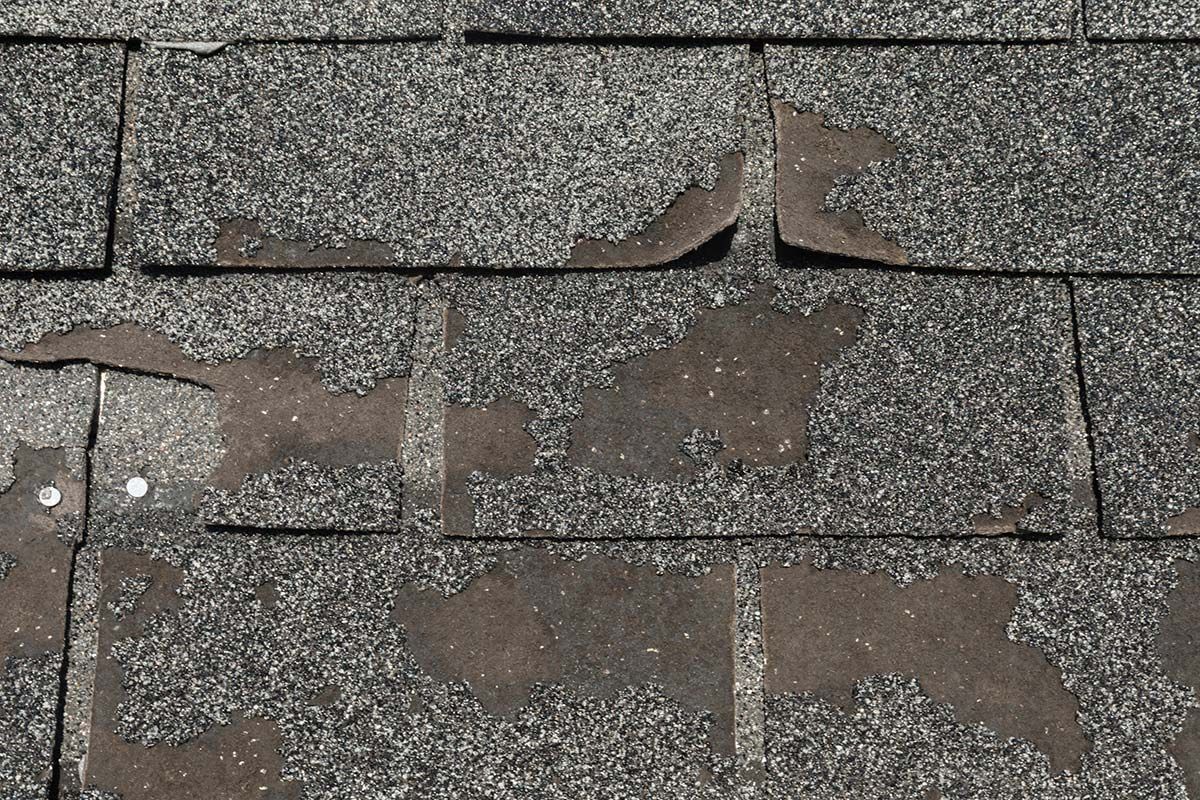
Look for any areas that don’t sit flat. A shingle edge that’s curling, a lifted corner, a spot that looks wavy. Those are common early leak points. - Scan around the chimney and vents
Any dark staining, gaps, or crooked-looking flashing is worth noting. Flashing is where a lot of winter leaks start. - Look at the valleys
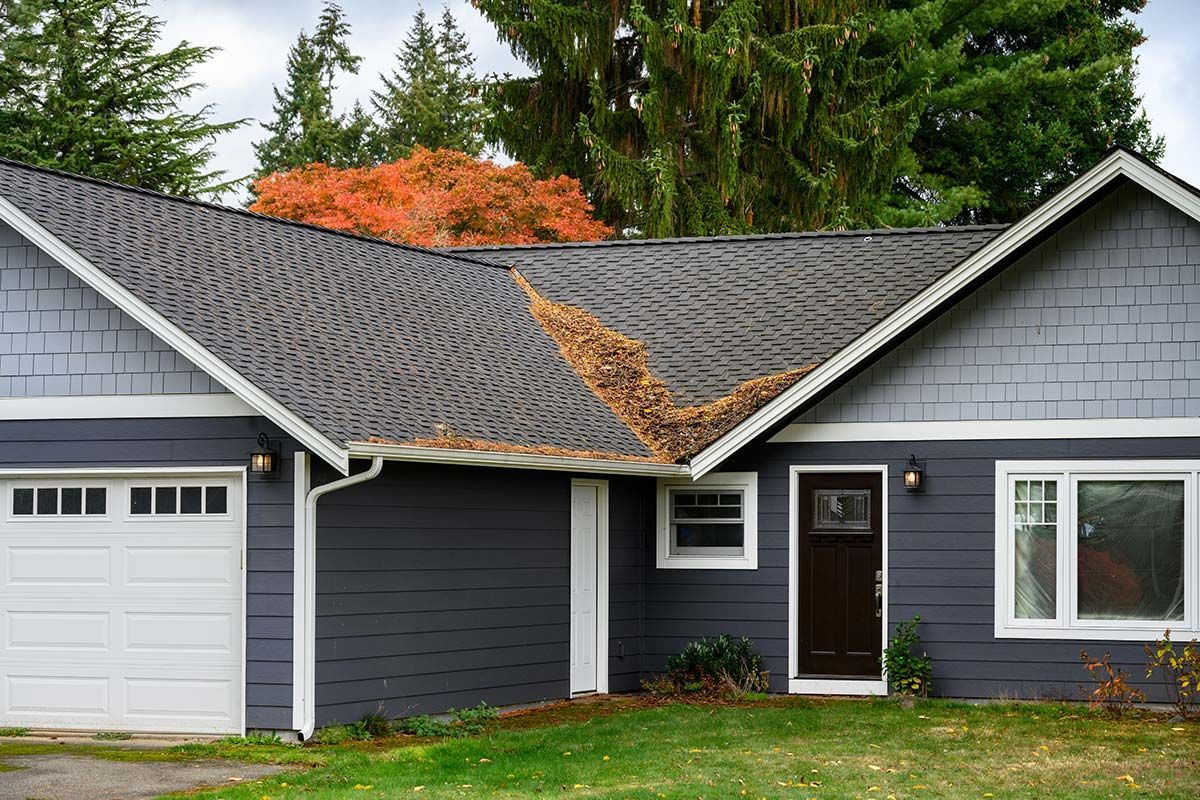
If your roof has valleys, look for debris buildup. Valleys move a lot of water. They don’t forgive pine needles and leaves. - Check gutters and downspouts
Make sure they’re not packed with junk and that the downspouts are draining away from the house. FEMA calls out roof and gutter inspection as a winter prep item for a reason. - Watch for “overflow marks”
Stains on fascia boards or streaking down siding can mean water is backing up in the gutter line. - Look at the ground after a rain
If you see splash marks near the foundation, it can mean the drainage isn’t moving water out and away. Not a roof issue by itself, but it can turn a small roof problem into an interior mess faster. - Walk the interior ceiling line
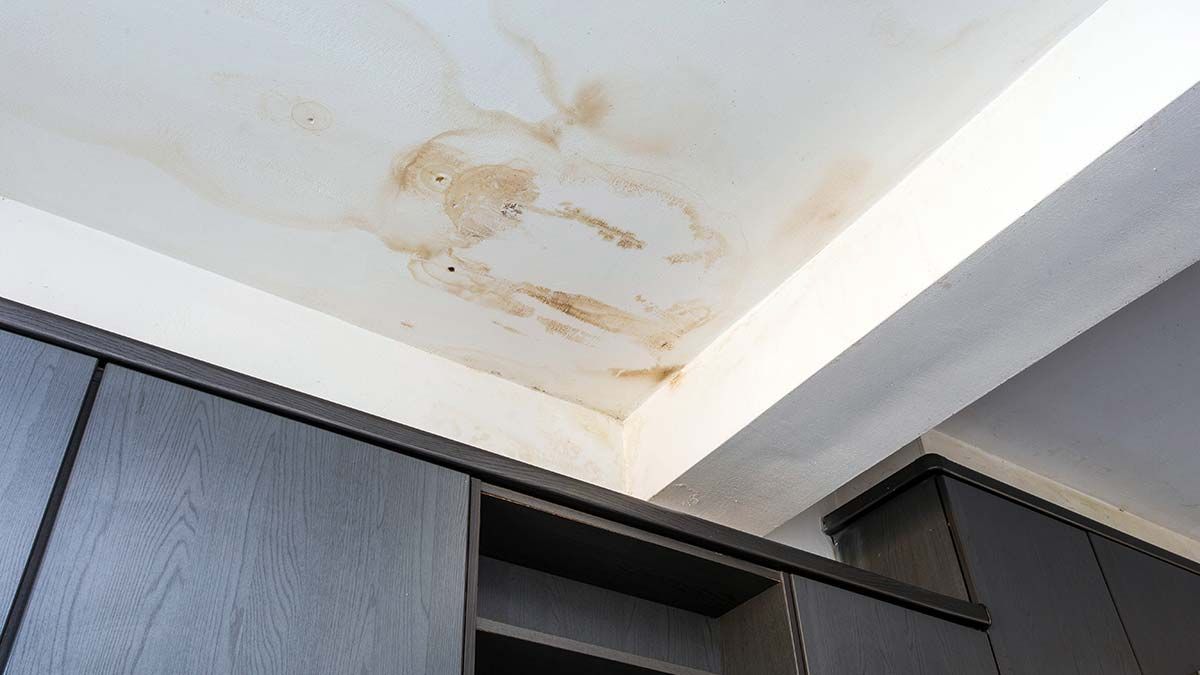
Inside the house, look at the corners of rooms, around vents, and near the chimney chase if you have one. A faint yellow ring is still a leak.
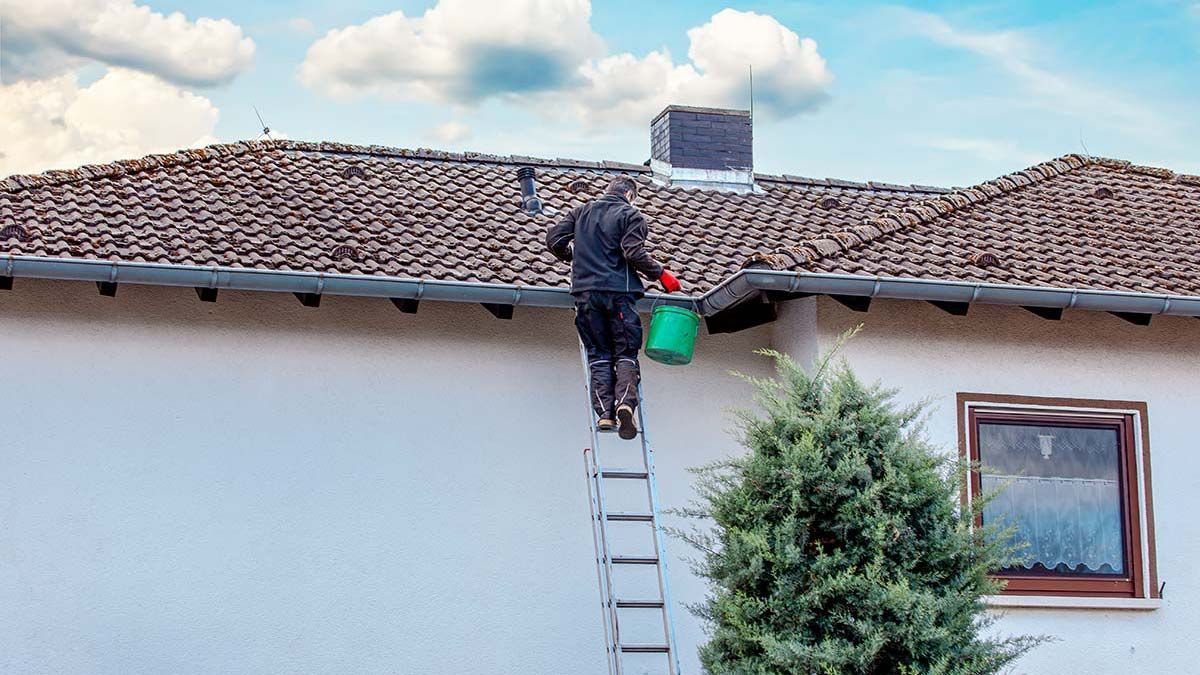
If you’re comfortable on a ladder, do these two checks
Only if you’re steady on a ladder and the weather is dry. If it’s windy or damp, skip it.
Check the drip edge and gutter line
Look for gaps, loose sections, or fasteners backing out. This area takes a beating in wind and monsoon season, then winter comes along and finds whatever loosened up.
Clear the “pinch points”
You don’t need to deep-clean every foot of gutter. Focus on corners, elbows, and any section that’s slow-draining. That’s where standing water starts.
Two winter clues most homeowners miss
These aren’t “go climb on the roof” clues. They’re patterns.
A new draft or a cold spot
Sometimes what feels like a window issue is actually air leakage from the attic. Attic ventilation
and insulation matter because they control moisture and temperature swings above your ceiling.
A leak that only happens during wind
If it only leaks when storms blow in sideways, that usually points to flashing, a roof-to-wall transition, or a detail near a vent. That’s good news, because it’s often repairable without a full replacement.
After a storm, do this quick follow-up
The day after a storm, take another lap.
- Check for fresh debris in valleys.
- Look for new staining inside.
- Pay attention to musty smells in a closet or spare room.
If something feels “new,” trust that instinct. Water moves. The stain shows up later.
When it’s time to call Hahn Roofing
Call if you see:
- A ceiling stain that grows
- A drip that shows up during storms
- Visible flashing gaps
- A section of roof that looks lifted
- Gutters that are pulling away from the fascia
You don’t need to know the technical cause. That’s our job.
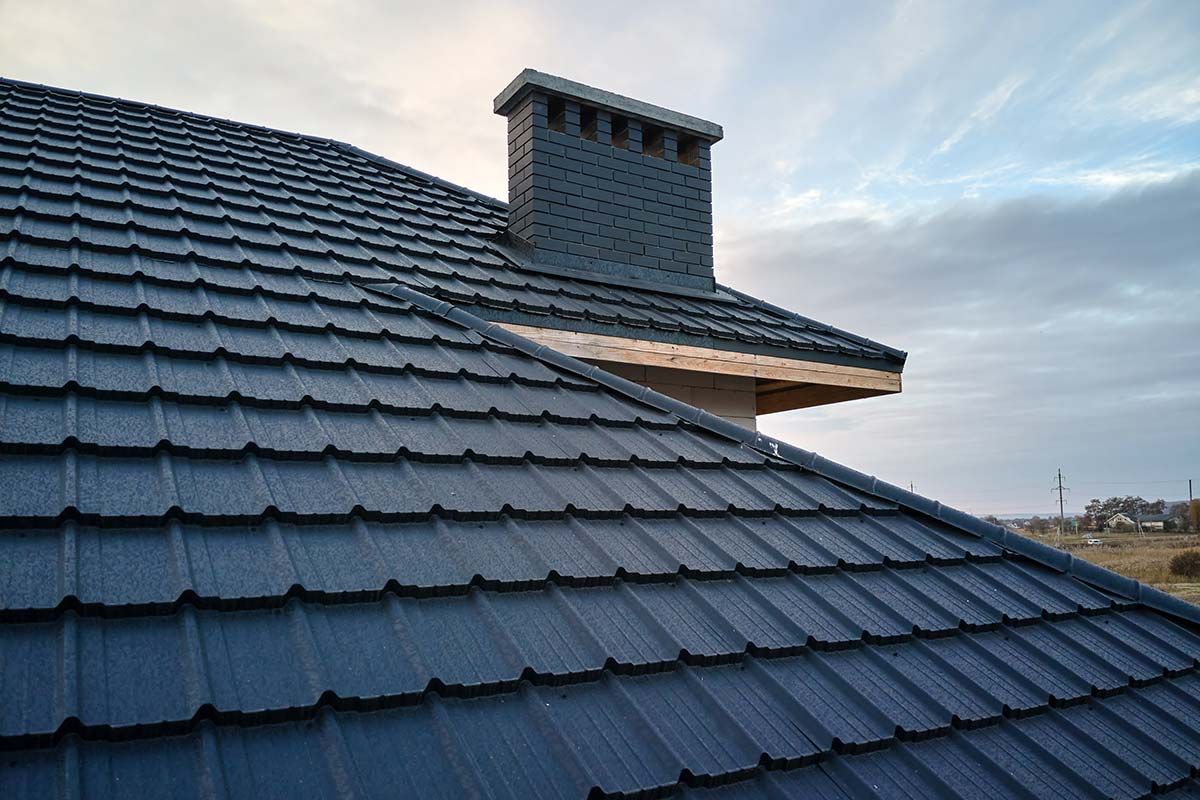
If you’re weighing long-term options for your next roof, you can also take a look at our metal roofing options here: Explore metal roofing
And if you want a real answer for your specific roof, this is the fastest path: Contact Hahn Roofing