
Prescott Roof Replacement: When It’s Time After the Summer Heat
July 25, 2025
roof installation in Prescott
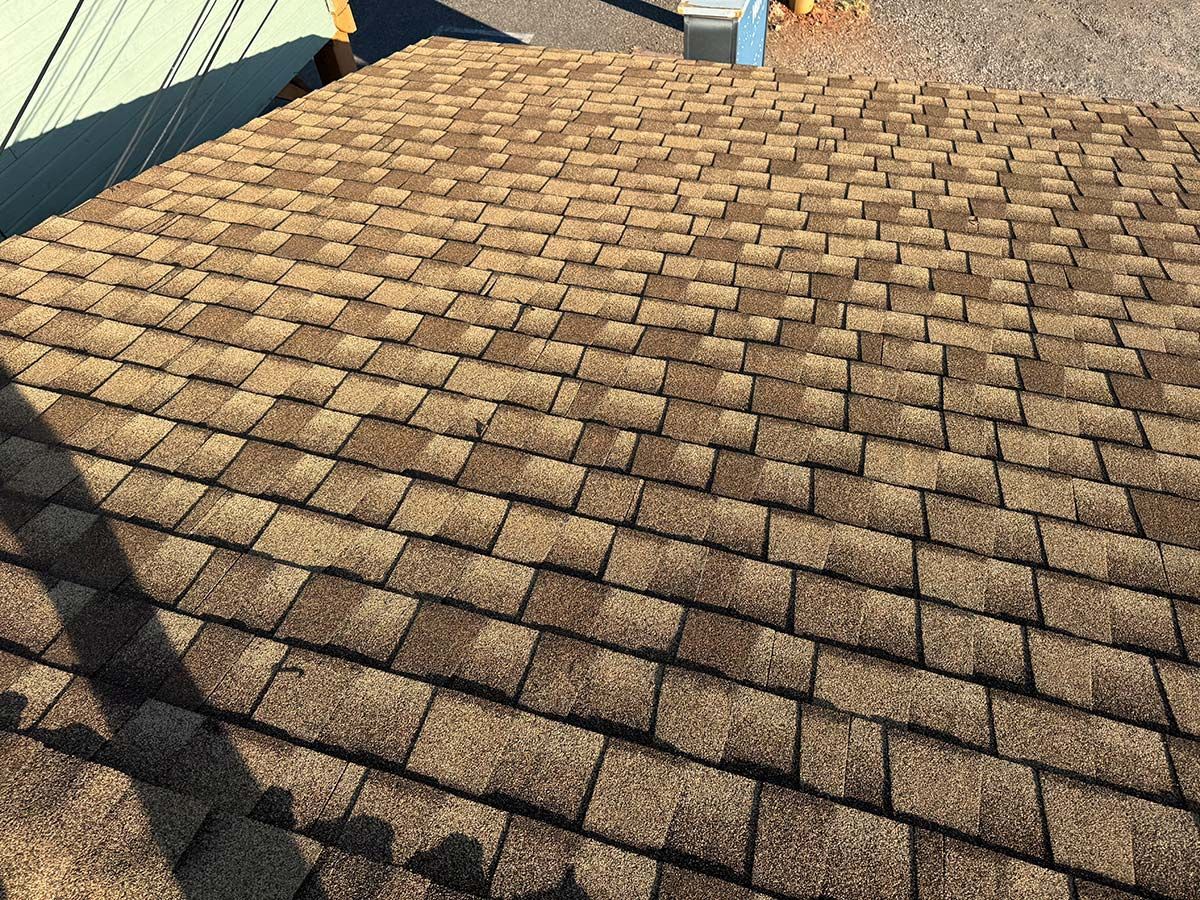
1. Age Isn’t Just a Number
15–25 years
40–80 years
Prescott roofing company
2. Visible Damage Post-Summer
- Curling or cracking shingles —heat dries them out and wind exploits gravity.
- Granule loss —check gutters after storms; fine grit means shingles are wearing thin.
- Blistering or gaps under shingles or flashing.
- Tile cracks or broken pieces —heat expansion plus hail can crack tiles.
- Rust or detached flashing , especially around chimneys or vents.
3. Interior Clues: Ceilings, Insulation & Attics
4. Energy Bills and Home Comfort
5. Timing Your Replacement: Fall vs. Summer vs. Spring
6. Roof Types and Replacement Timing
- Asphalt Shingles : Replace after ~20 years or when granule loss is visible. Switching to impact-rated or cool shingles is wise for longevity.
- Tile Roofs : Look at underlayment first—tiles may last, but liners age out at 20–25 years (turn0search2). Replacing underlayment means potential tile reuse.
- Metal Roofs : Seams, fasteners, and coatings require attention after 25–30 years. If seams are loose or coatings faded, mid-life recoats can push lifespan out.
- Flat Roofs (SPF / BUR / Membrane) : These average 20–30 years but are hit hard by summer heat and pooling water. Look for splits, bubbles, or blistering.
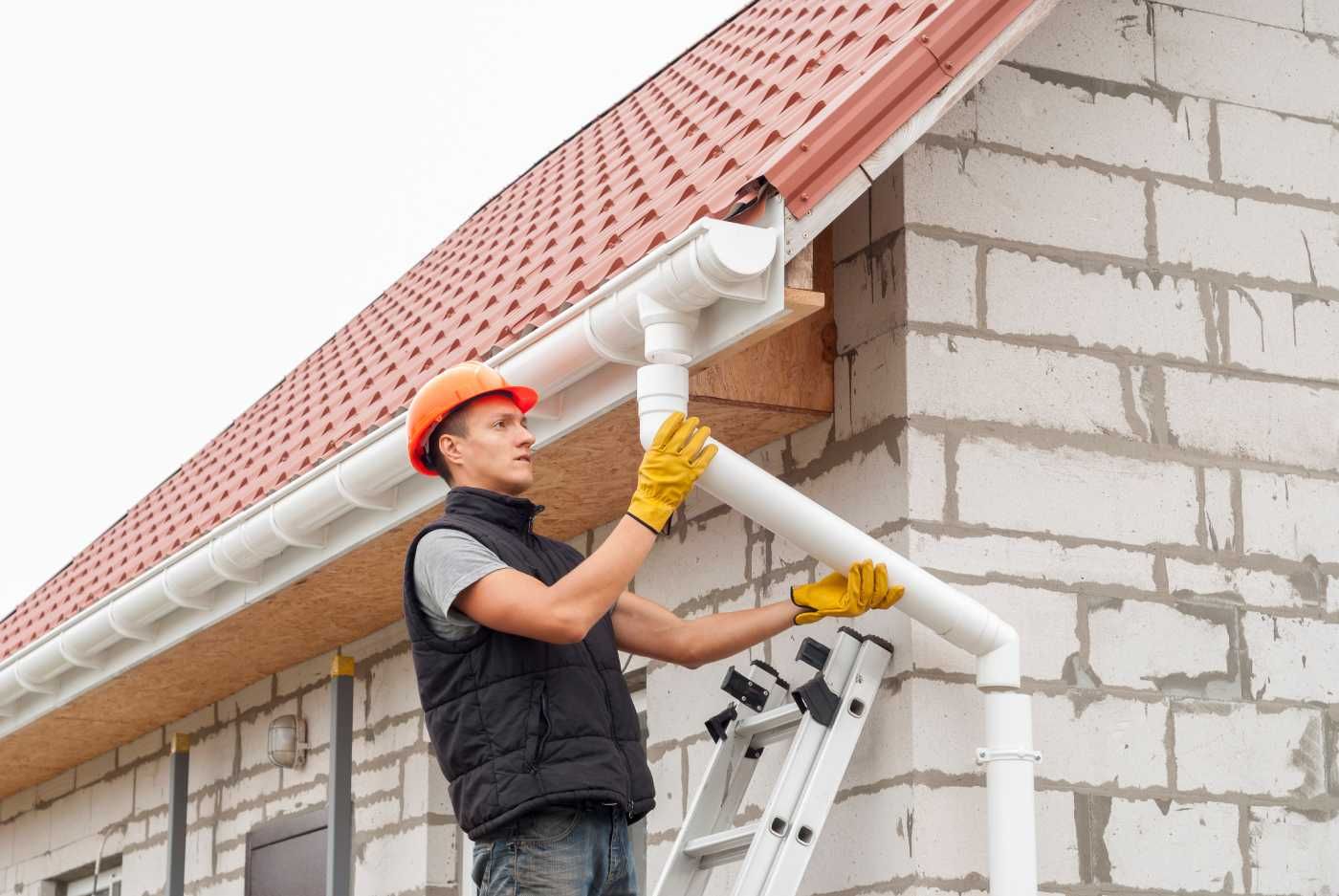
7. Replacement Isn’t Repair—It Requires Strategy
- Inspecting roof deck for rot or damage.
- Reinforcing attic ventilation.
- Upgrading flashing and gutters.
- Considering material that fits Prescott’s sun, wind, and fire risk.
- Coating metal roofs or choosing cool shingles for energy efficiency.
8. Professionals Bring Peace of Mind
- Full diagnostics before offering replacement options
- Material choices tailored to Prescott’s climate, fire codes, and home designs
- Strategic installation timing—installed in late summer or early fall
- Warranty coverage and long-term roof health plans
What to Do Next
- Schedule a roof health inspection , especially if your roof is 15+ years old.
- Collect internal clues —take attic photos, set basic temperature logging.
- Compare quotes for repair vs. replacement. Don’t choose cheapest; choose right.
- Plan for post-monsoon, pre-winter installation to avoid later storms.
roof installation in Prescott
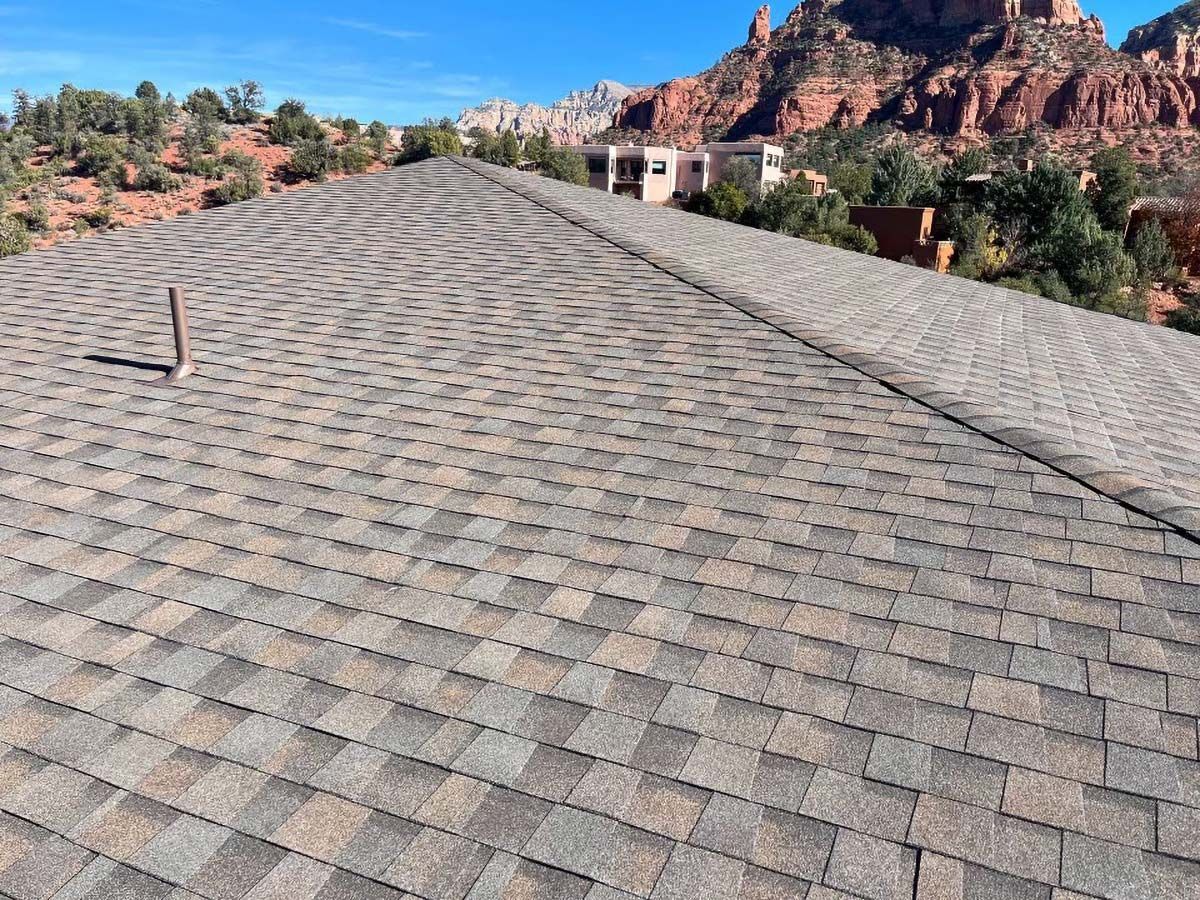
Sedona New Year roof checkup: quick signs to spot, what to notice inside, and when to book a professional roof inspection.
Holiday weather has a way of showing up at the worst time. People are traveling. Family is in town. The house is busy. And if your roof has a weak spot, that’s when you notice it. Most winter roof lea…
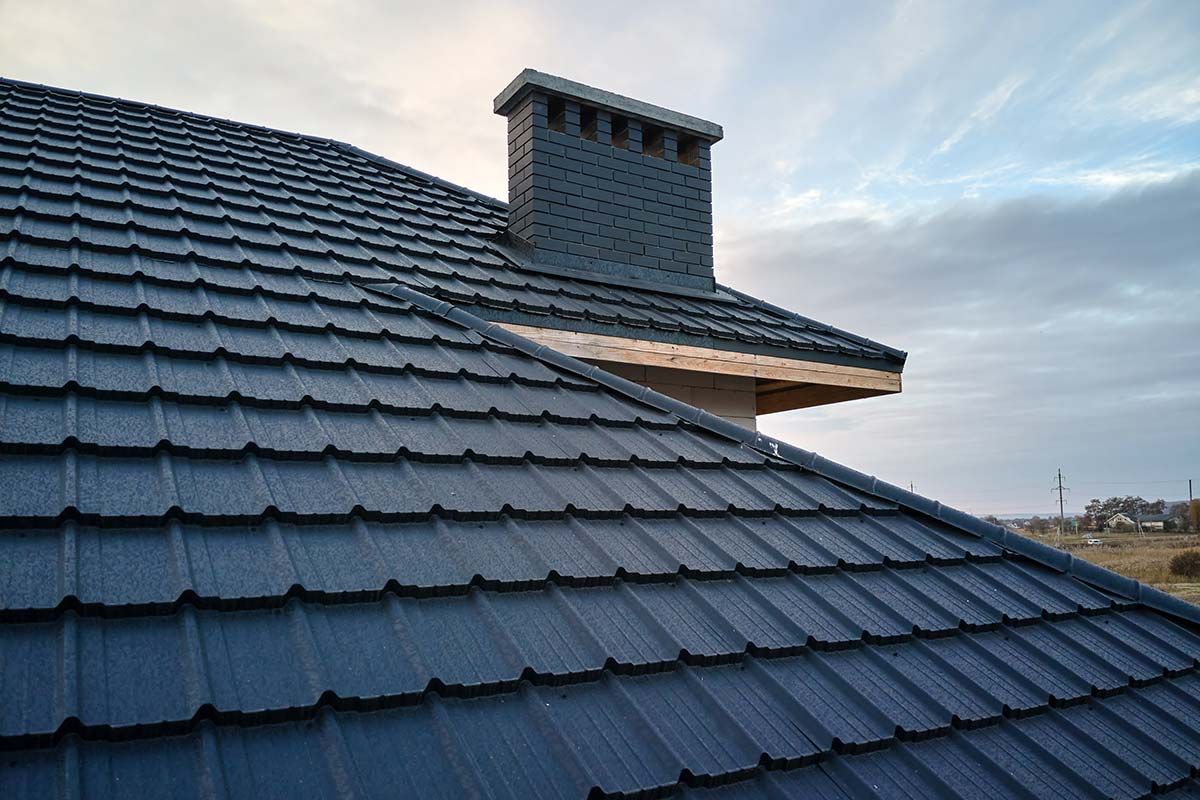
A metal shingle roof is a metal roof that goes on in small pieces, not long panels. The shingles overlap as they’re installed, and many systems are made to lock together so the surface stays tight in …
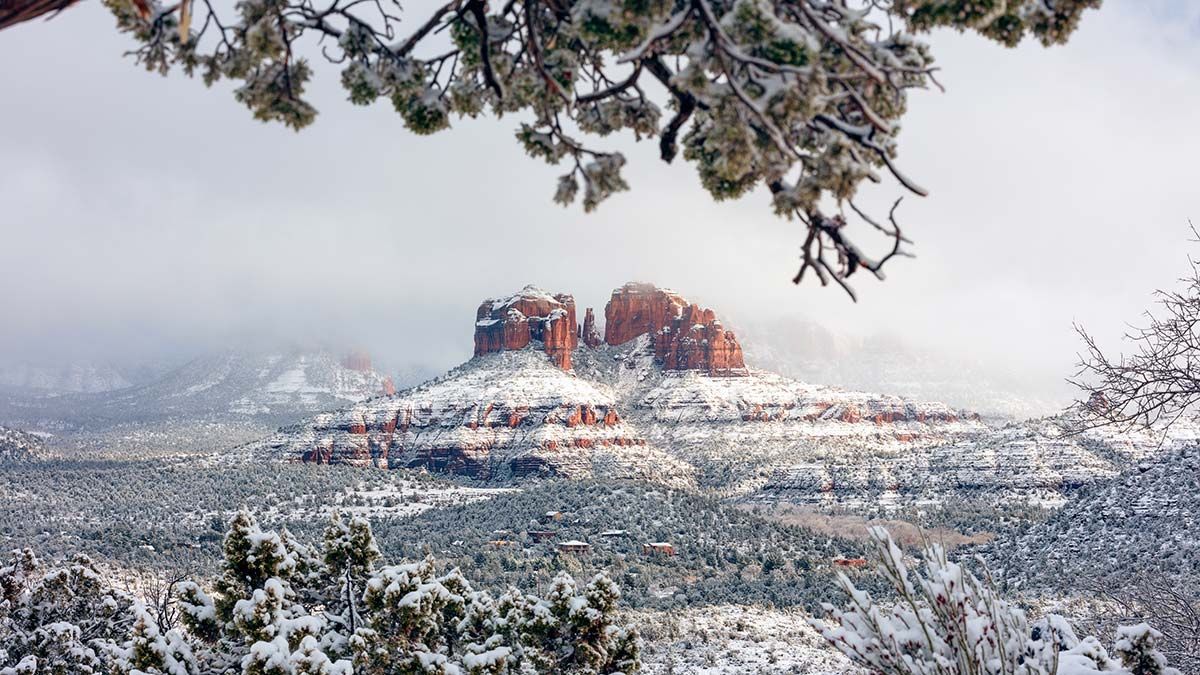
Winter in the Verde Valley isn’t “snow country,” but it’s also not Phoenix. We get cold nights, the occasional dusting, and quick weather swings. Sedona sits up around 4,500–4,800 feet, so freeze-thaw…
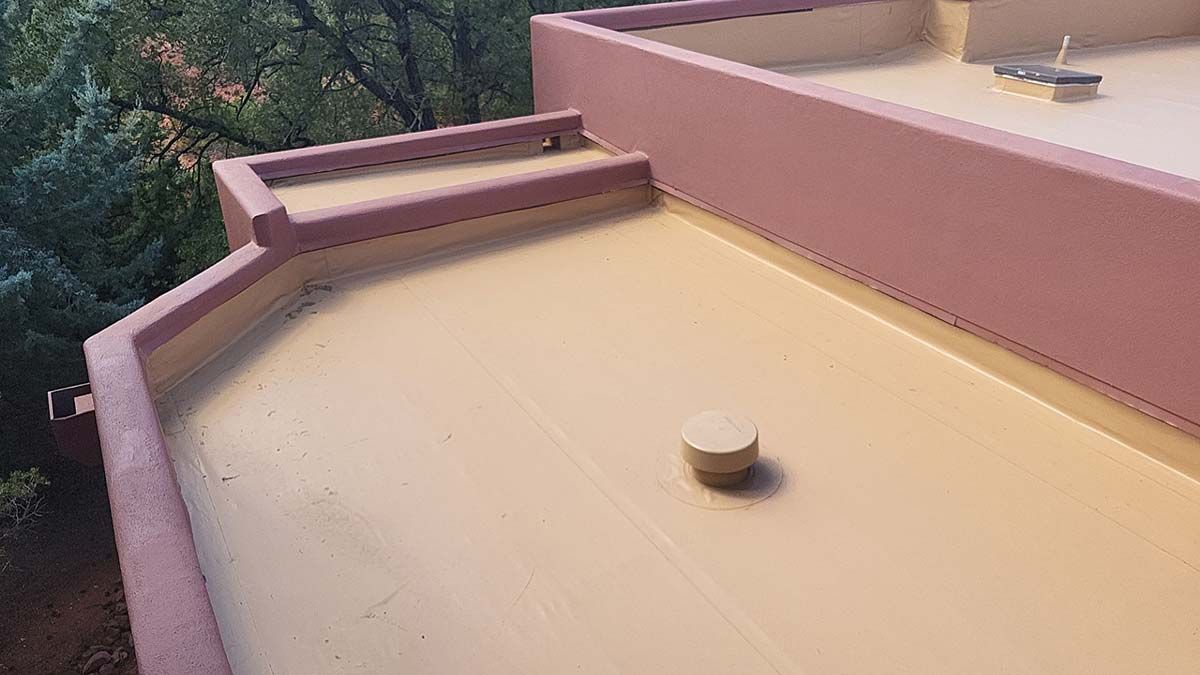
Flat roofs do well in Arizona, but winter is when small drainage issues turn into real headaches. It is rarely one big event. It is usually a slow backup at a scupper. A drain that runs fine until lea…
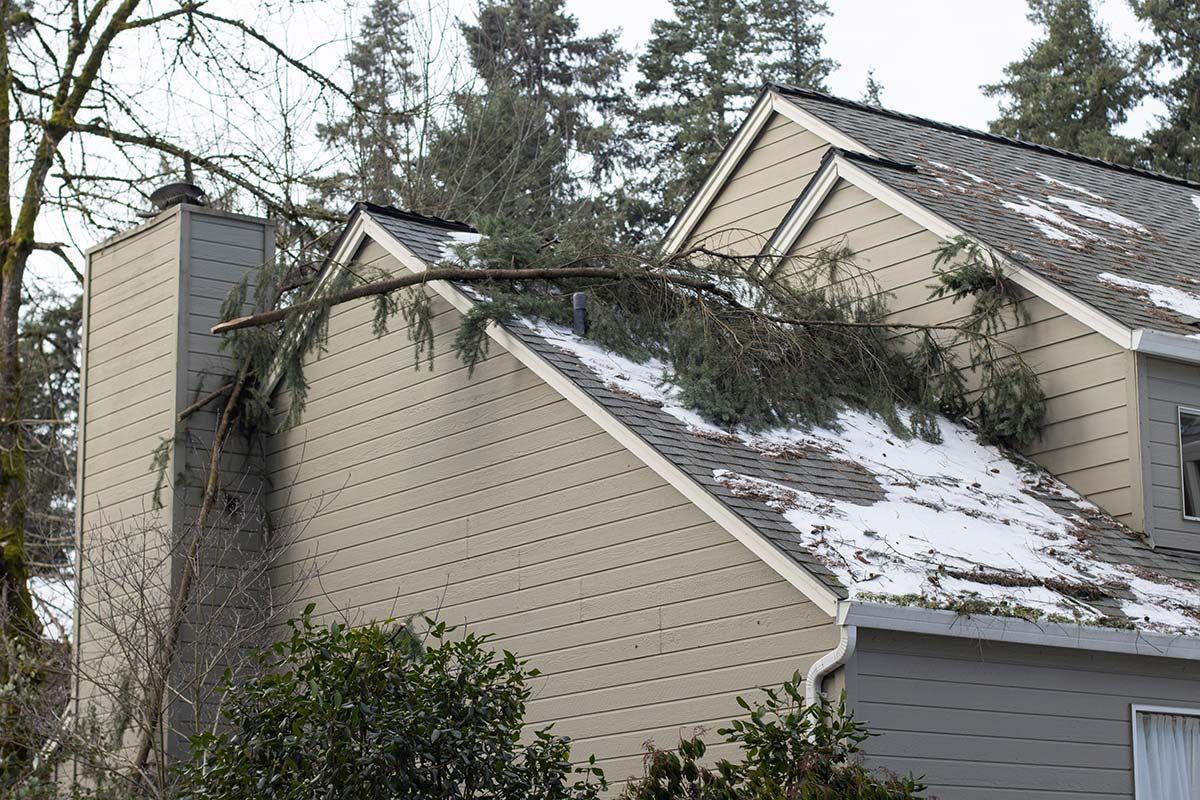
Winter roof preparation: roof maintenance, gutter repair, shingle check and leak prevention for Arizona homes ready for the winter months.
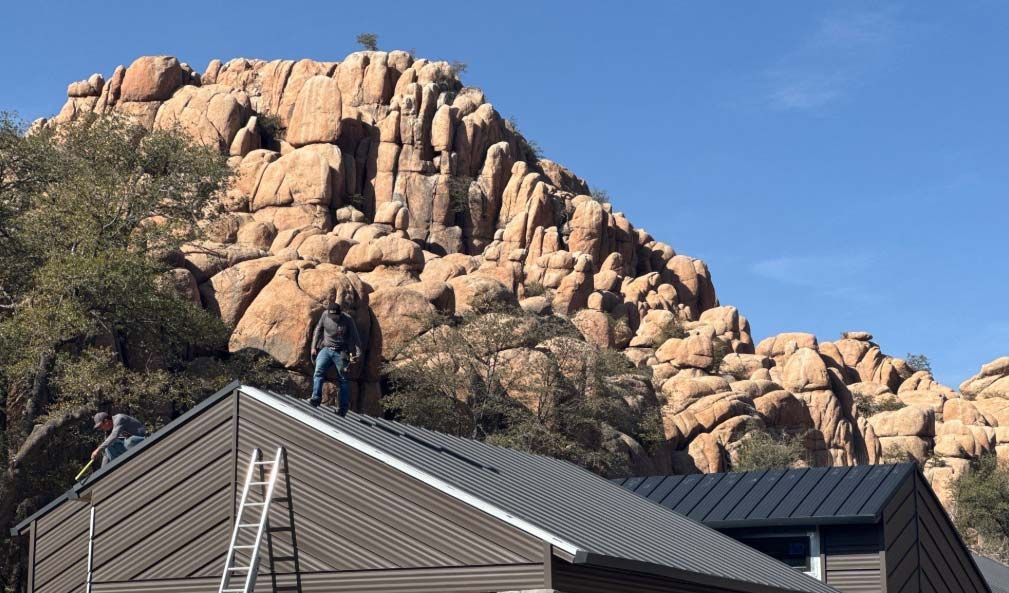
Fall roof maintenance tips for Cottonwood, Arizona homeowners—inspect, clean, and prepare your roof before winter rain and cold set in.
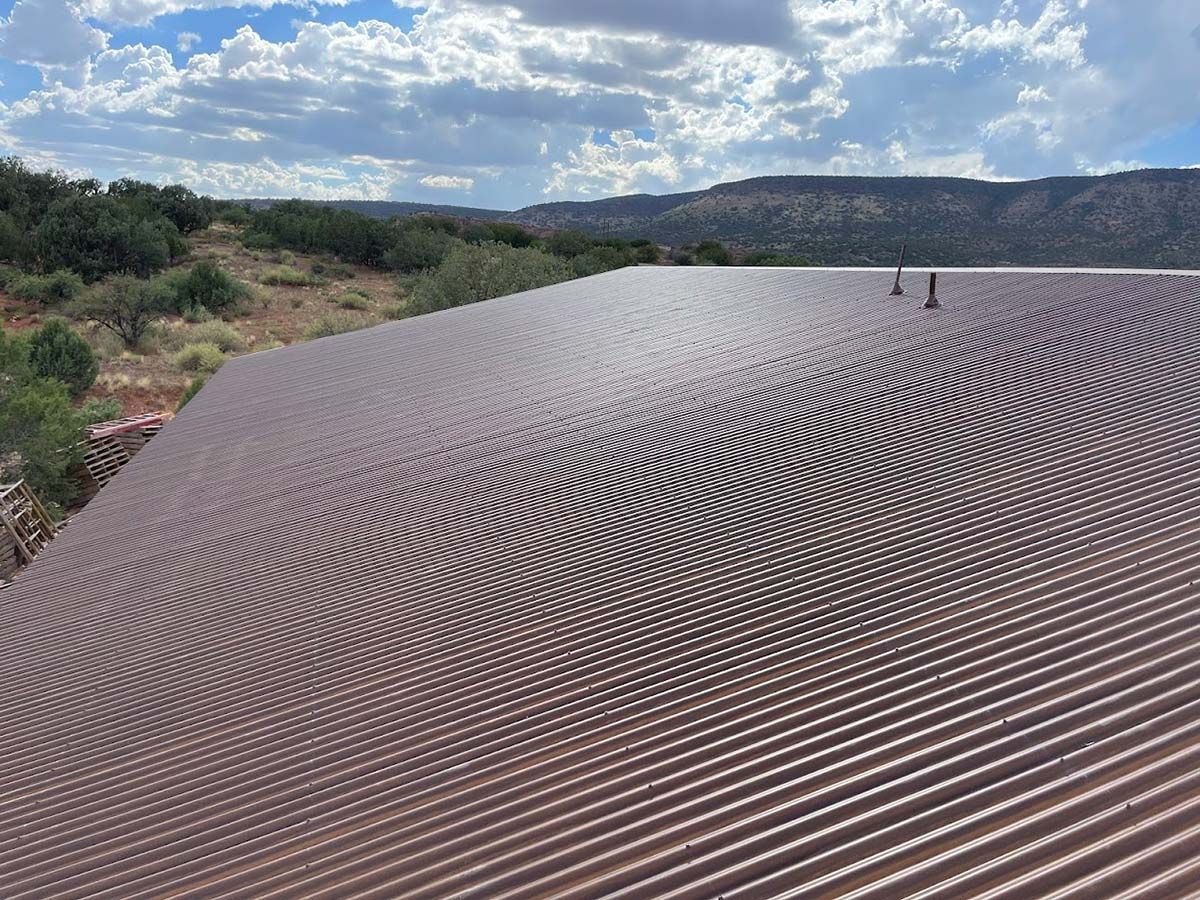
Discover how metal roofs handle Arizona’s extreme heat, monsoons, and hail. Learn why metal roofing is the best choice for homes in Sedona, Prescott, and Cottonwood.
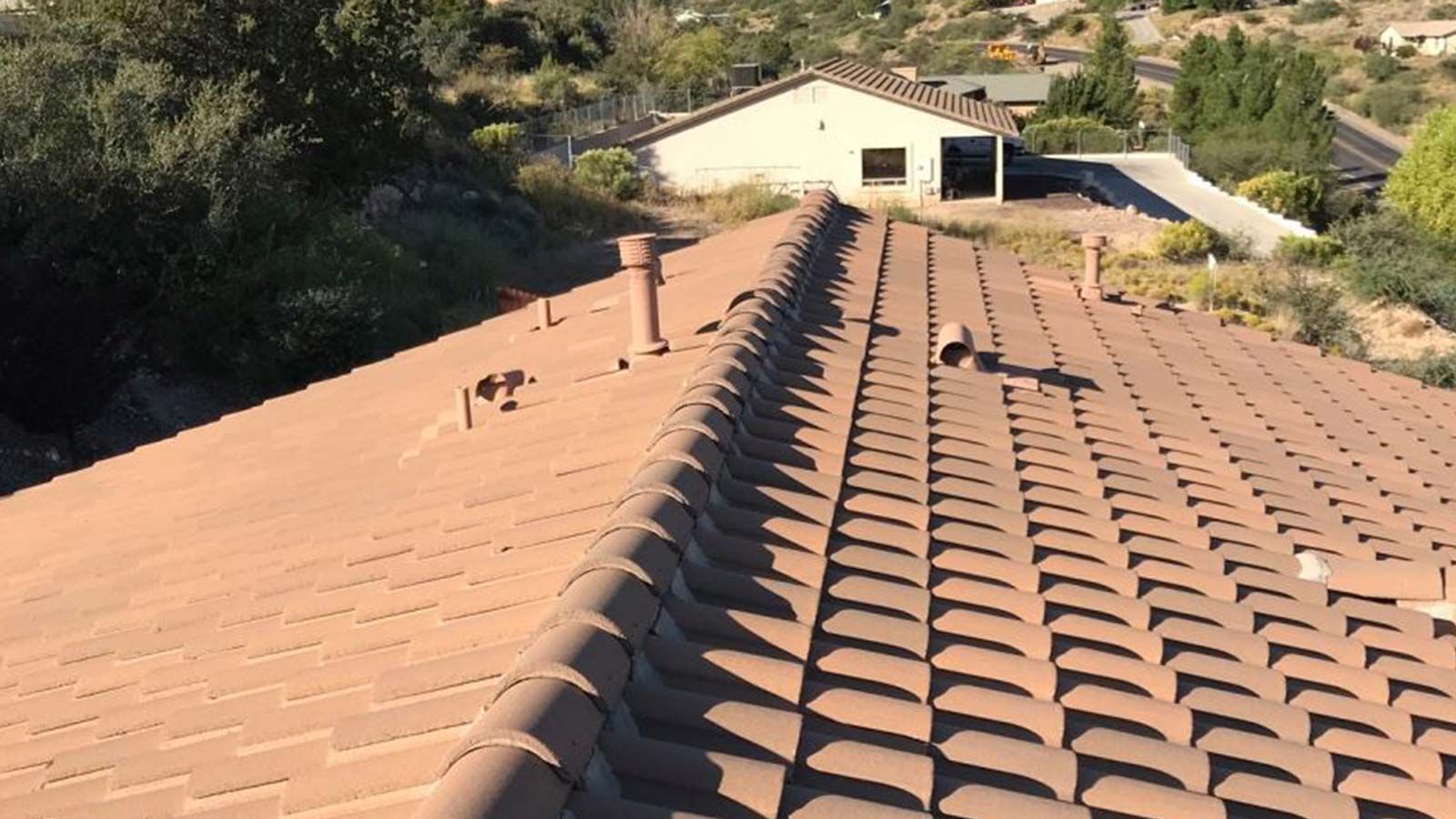
Get your roof ready for autumn in Cottonwood with these expert fall roofing tips. Learn about inspections, debris clearing, attic ventilation, and more!
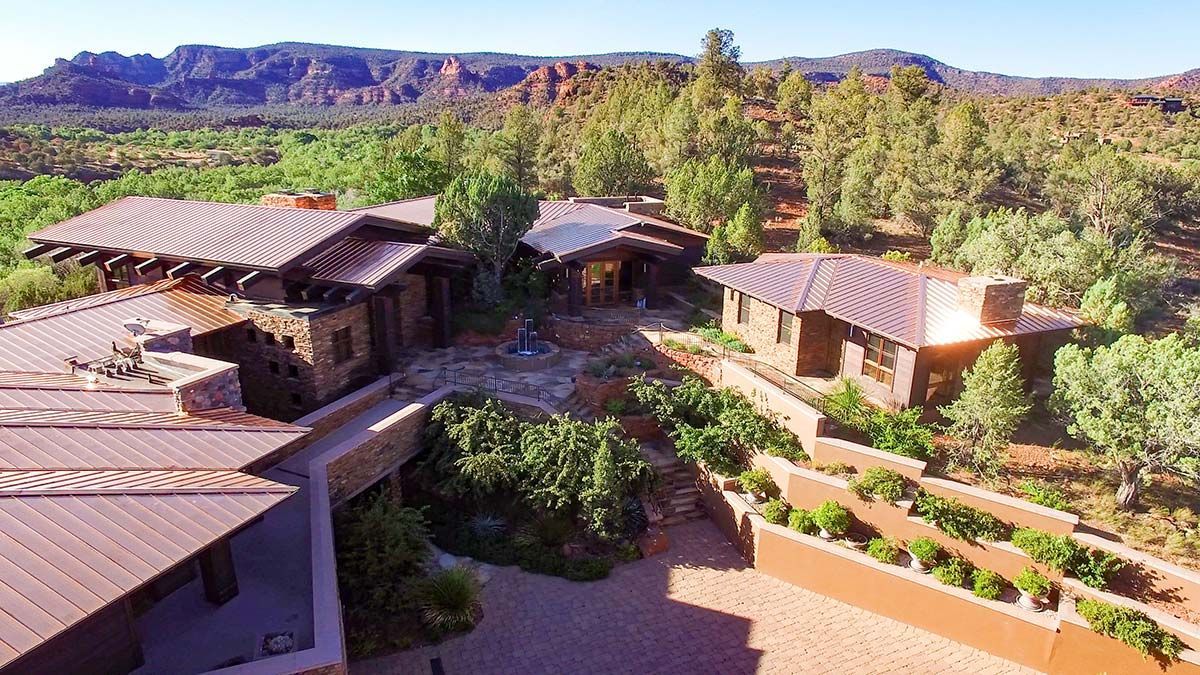
Wondering if a metal roof is worth it? Compare metal roofs vs. asphalt shingles for Arizona homes, including costs, durability, energy efficiency, and maintenance.