
Essential Fall Roof Maintenance Tips for Cottonwood, Arizona
October 14, 2025
fall roof maintenance
It’s the perfect time to walk around, see what the summer left behind, and catch problems before the cold settles in. Around here, that’s what saves a roof. Hahn Roofing’s crew spots it every year—little things that turn big once winter rain finds them.
Start with a Visual Roof Check
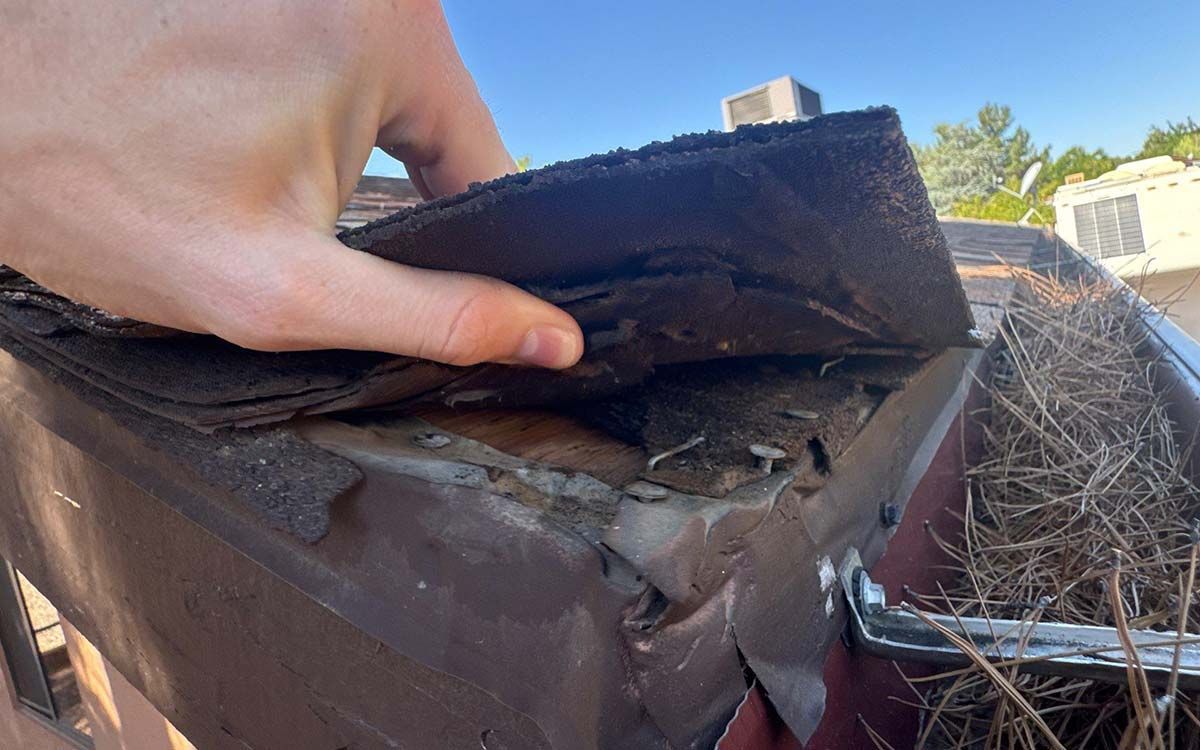
Start easy. Just take a walk. Look up. You’ll notice more than you expect. Maybe a tile slipped, maybe flashing lifted after that last storm. Don’t climb unless you have to—binoculars work fine.
Check the valleys and the chimneys. They always take a beating once the wind starts pushing dust around. You’ll see it—grit tucked against the flashing or packed in the low spots. If one area looks darker, chances are it’s still damp from the last storm. Make a quick note or snap a picture, then move on.
Clear Out Gutters and Downspouts
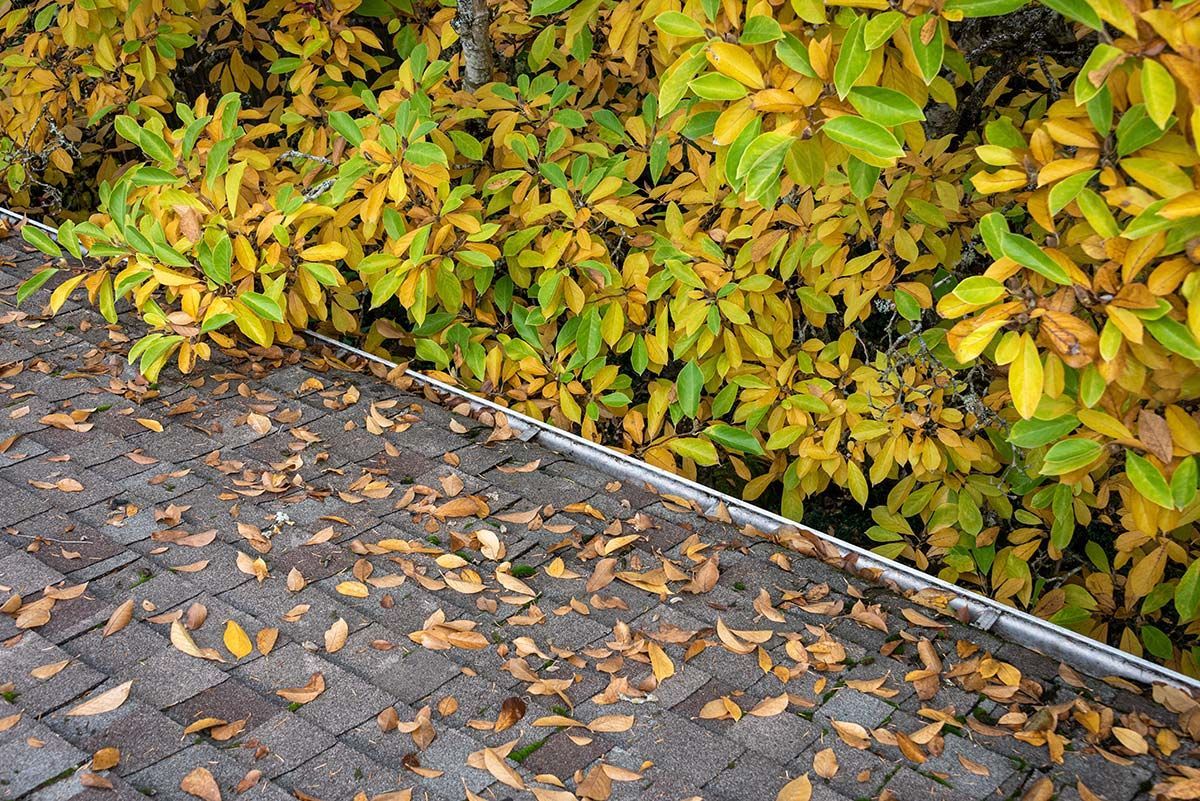
Once you’ve checked the roof, grab a bucket. Most of the junk ends up in the gutters anyway. Cottonwood leaves, twigs, dirt—it all sits there after a storm. A few handfuls of that stuff can block water faster than you’d think.
Run a little water through. If it doesn’t flow, there’s your problem. Gutters that back up will push water under the edge of the roof. Happens every fall. The roof itself looks fine, but the water sneaks in underneath. If you’d rather not deal with it yourself, look into professional gutter cleaning in Cottonwood to make sure everything’s draining right before the next rain.
Trim Back Trees and Overhanging Branches
Step back from the house and look up. If you see branches hanging close, take them down now. They rub the roof when the wind hits. Sometimes they drop a pile of leaves right in the valleys.
Clear a gap wide enough that nothing touches. It keeps the roof dry and stops animals from crawling over. In Cottonwood, with the dry air and wind, that space can even cut fire risk.
Check Your Attic, Insulation, and Ventilation
Climb up there for a look. The attic tells you things the roof won’t. If it smells musty, something’s off. Warm, damp air means a leak somewhere, even a small one. You might spot dark streaks on the rafters or insulation that looks heavy and matted. That’s rain that found its way in and never fully dried.
Now check the vents. They should move air, not hold it. If they’re covered in dust or bird nests, clear them out. Heat and moisture trapped inside can wreck a roof from below. A few minutes now is cheaper than calling us later to fix rot or mildew.
Sweep Off Roof Debris
If the roof’s safe to walk, brush off what’s sitting up there. Dirt and leaves trap water, even in dry weather. Over time that trapped moisture softens shingles and stains tile.
Use a soft broom or leaf blower—nothing too rough. Pressure washing sounds fast, but it forces water where it doesn’t belong. Take your time and get the valleys clear. A clean roof drains right and dries faster after storms, which means fewer problems down the road.
Keep Moss and Algae Away
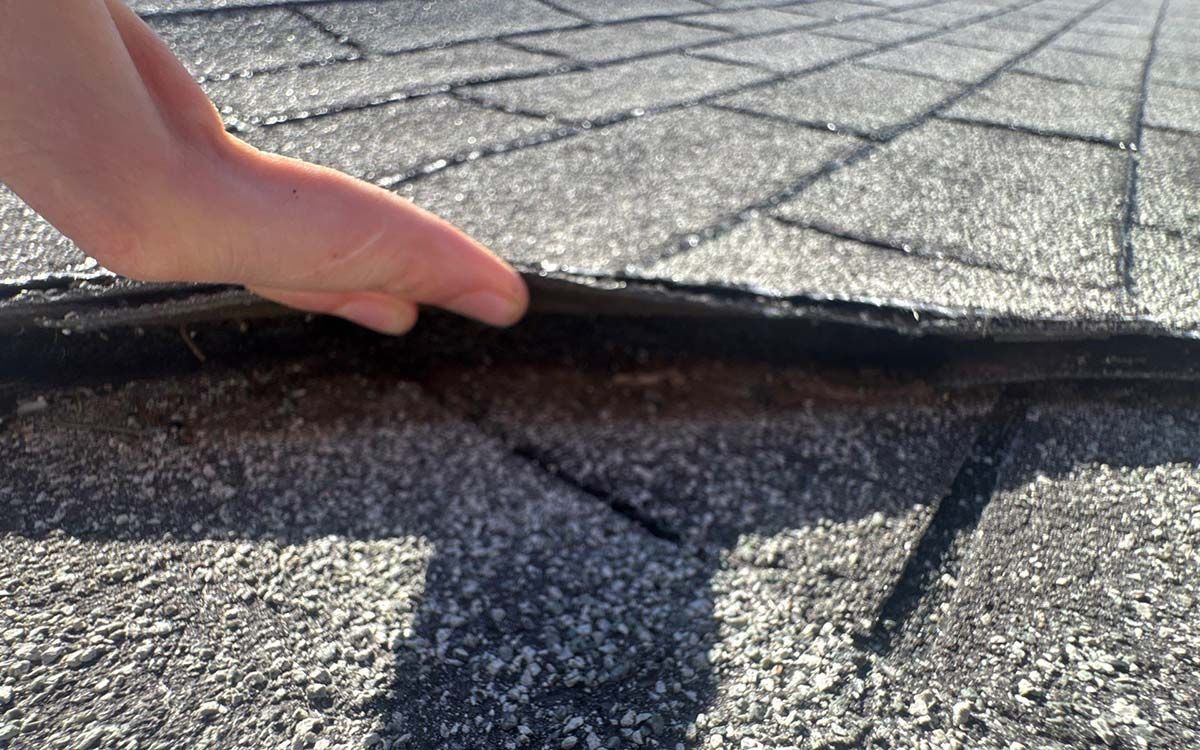
They don’t show up everywhere, but shaded roofs near the river or under heavy trees can grow moss fast. You’ll spot it as a faint green haze at first. Leave it alone, and it’ll hold water, lifting shingles or tile edges as it spreads.
Skip the pressure washer. Use a gentle cleaner or a zinc strip treatment instead. Those stop growth without wrecking the roof surface. If you’re unsure what to use, ask a local roofer who actually works on Cottonwood homes. They’ll know what holds up here. Arizona sun isn’t kind to harsh cleaners. The wrong one can bleach tile or eat through a coating fast.
Schedule a Professional Roof Inspection
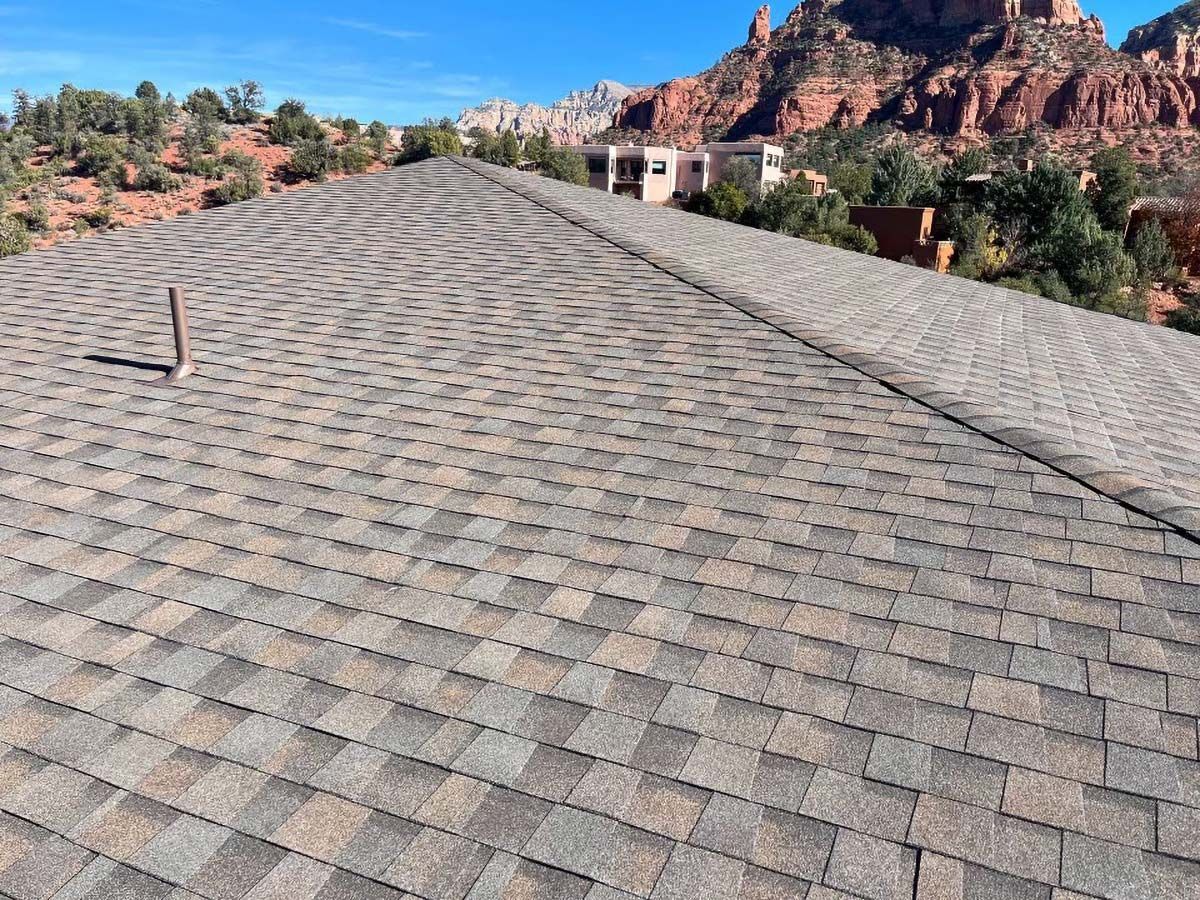
You can do a lot yourself, but a trained eye always sees more. An inspection in the fall gives you a clean slate heading into winter. The roofer will check flashing, sealant, and tile alignment—spots most people never notice until they leak.
Ask for photos. You’ll get a better sense of what’s happening up there. It also helps if you ever need to make an insurance claim. Hahn’s crew does this year-round, but fall is the best window. Dry weather, clear days, and enough time to fix anything before the cold rolls in.
Review Warranties and Prepare for Storm Season
Before the winter storms show up, pull out your roof papers. Most folks don’t think about warranties until something goes wrong. Flip through and see what’s still covered, especially if the roof’s been patched or replaced before.
Keep your roofer’s number close. If you spot a leak after a storm, you’ll want to call someone who already knows your place. Take a few photos while the roof’s clean—gutters clear, no leaves, no damage. If you ever have to make a claim, those pictures speak for you.

Final Thoughts
Fall doesn’t stick around long in Cottonwood. The afternoons stay warm, the nights start to chill, and it’s just right for roof work. Once winter hits, you’ll wish you’d done it sooner.
If you’d rather not climb a ladder, we get it. Hahn Roofing does full fall inspections across Cottonwood and the Verde Valley. We’ll check the roof, clean out what needs cleaning, and point out anything that should be fixed before the next storm season hits.
Sedona New Year roof checkup: quick signs to spot, what to notice inside, and when to book a professional roof inspection.
Holiday weather has a way of showing up at the worst time. People are traveling. Family is in town. The house is busy. And if your roof has a weak spot, that’s when you notice it. Most winter roof lea…
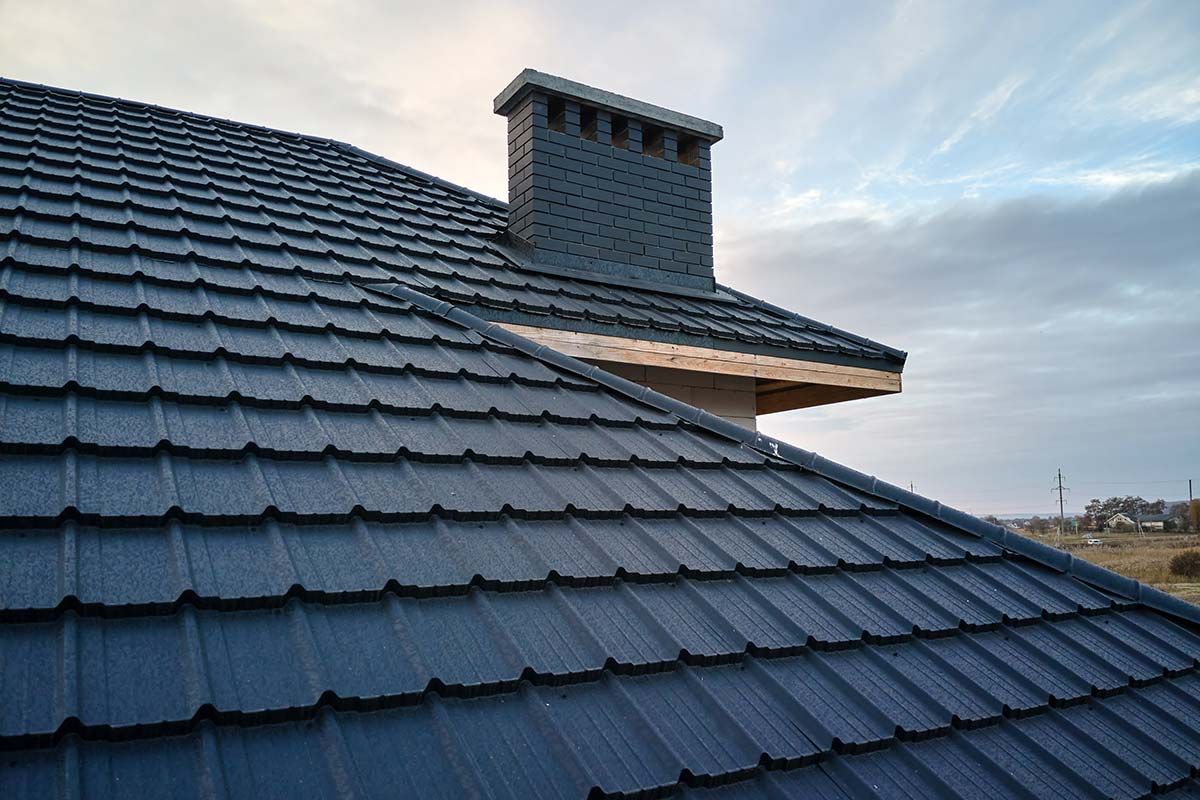
A metal shingle roof is a metal roof that goes on in small pieces, not long panels. The shingles overlap as they’re installed, and many systems are made to lock together so the surface stays tight in …

Winter in the Verde Valley isn’t “snow country,” but it’s also not Phoenix. We get cold nights, the occasional dusting, and quick weather swings. Sedona sits up around 4,500–4,800 feet, so freeze-thaw…
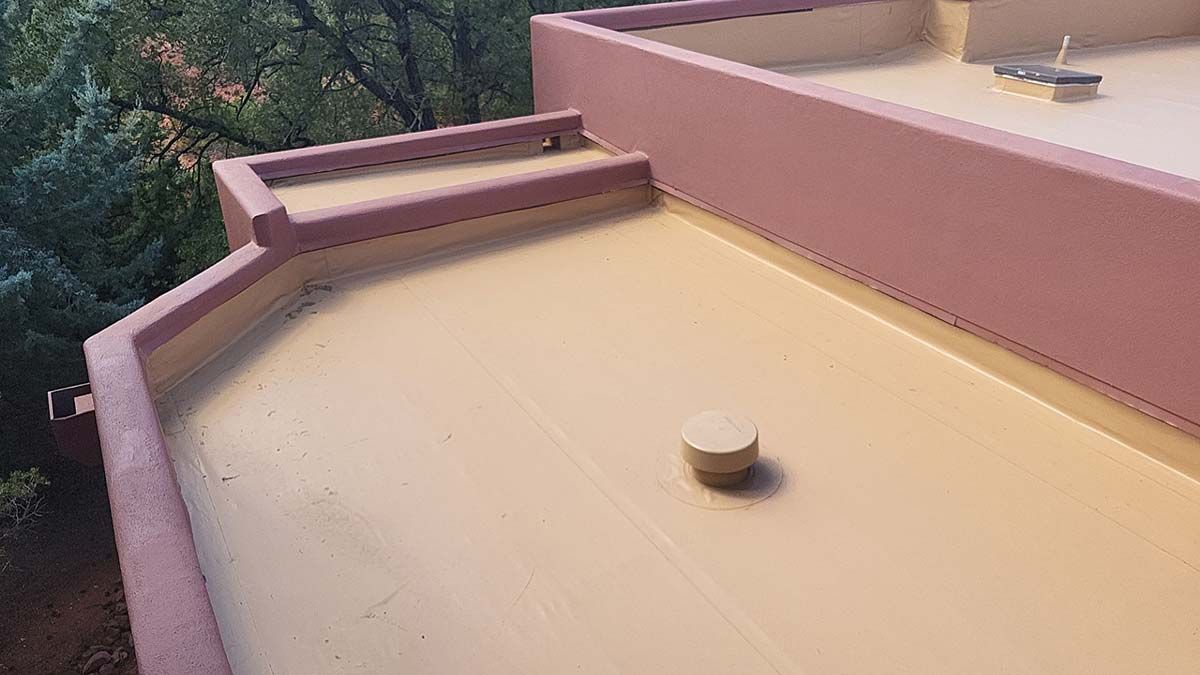
Flat roofs do well in Arizona, but winter is when small drainage issues turn into real headaches. It is rarely one big event. It is usually a slow backup at a scupper. A drain that runs fine until lea…
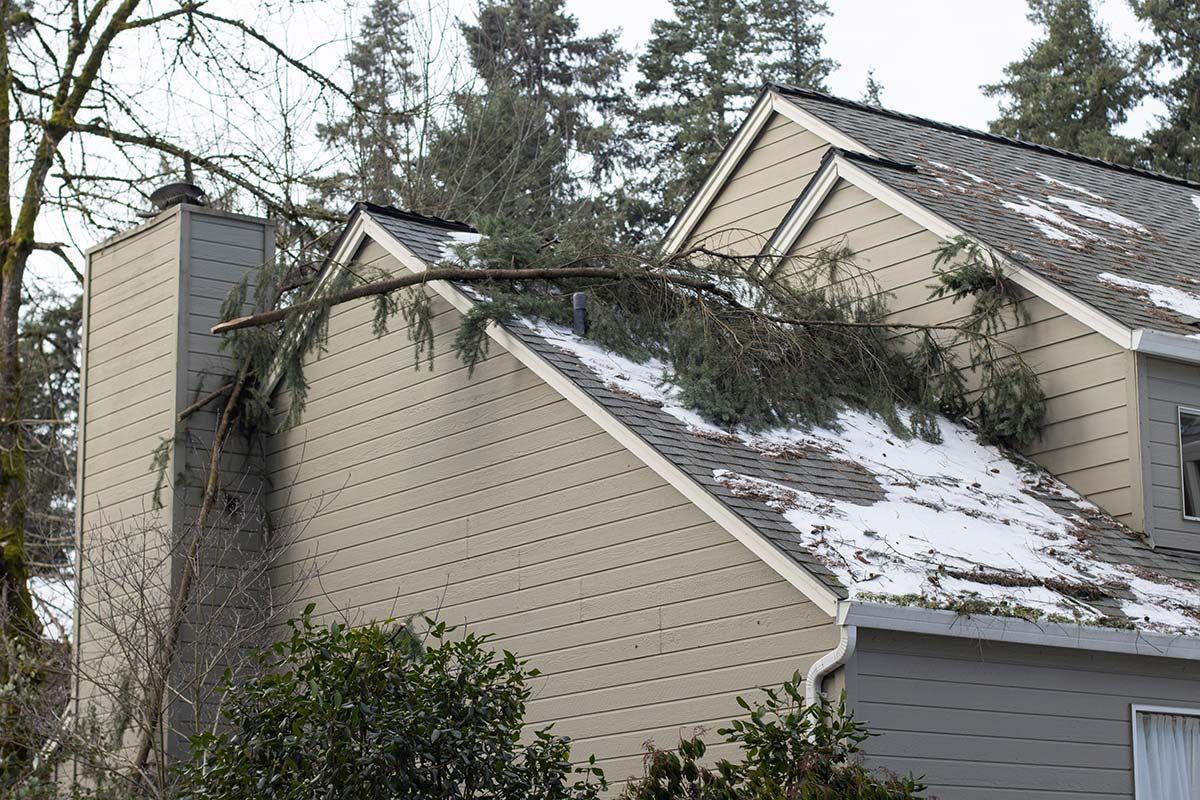
Winter roof preparation: roof maintenance, gutter repair, shingle check and leak prevention for Arizona homes ready for the winter months.
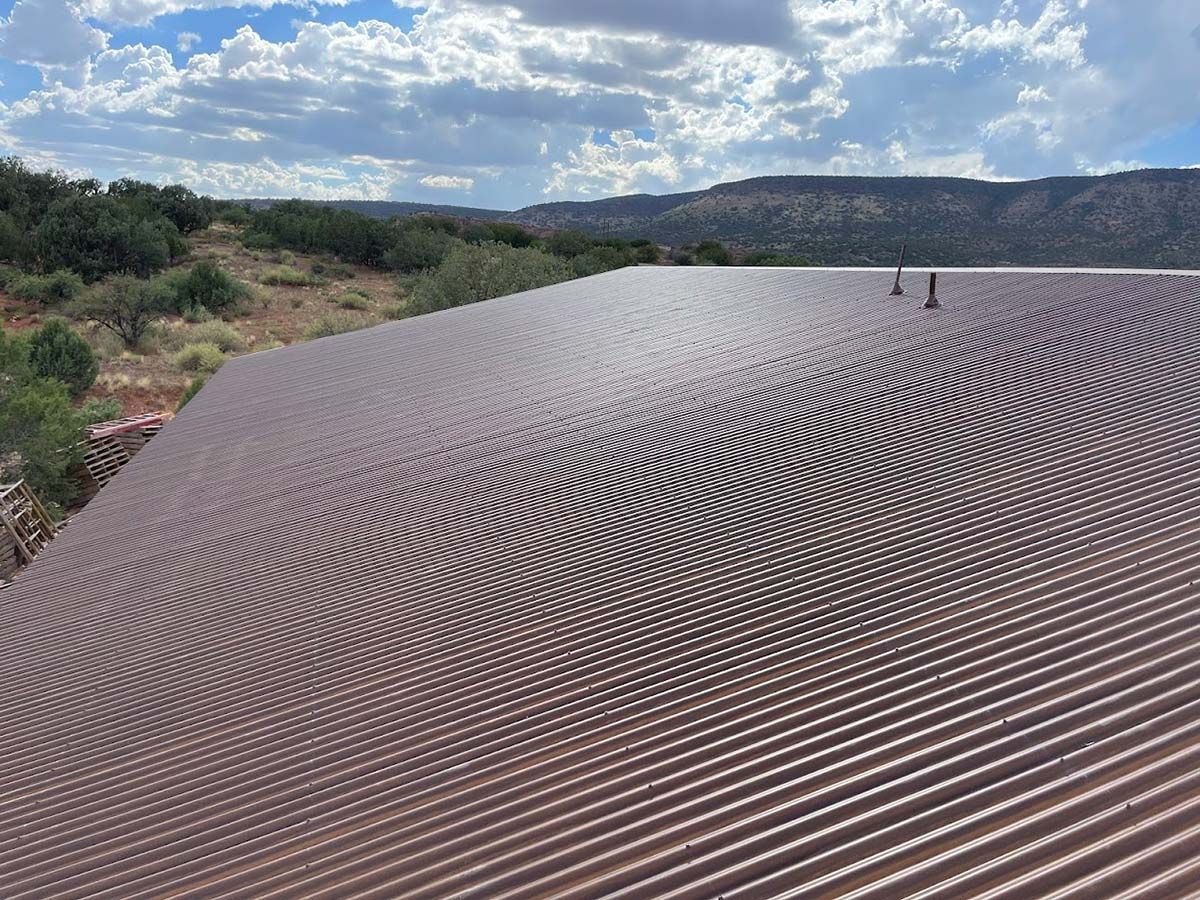
Discover how metal roofs handle Arizona’s extreme heat, monsoons, and hail. Learn why metal roofing is the best choice for homes in Sedona, Prescott, and Cottonwood.
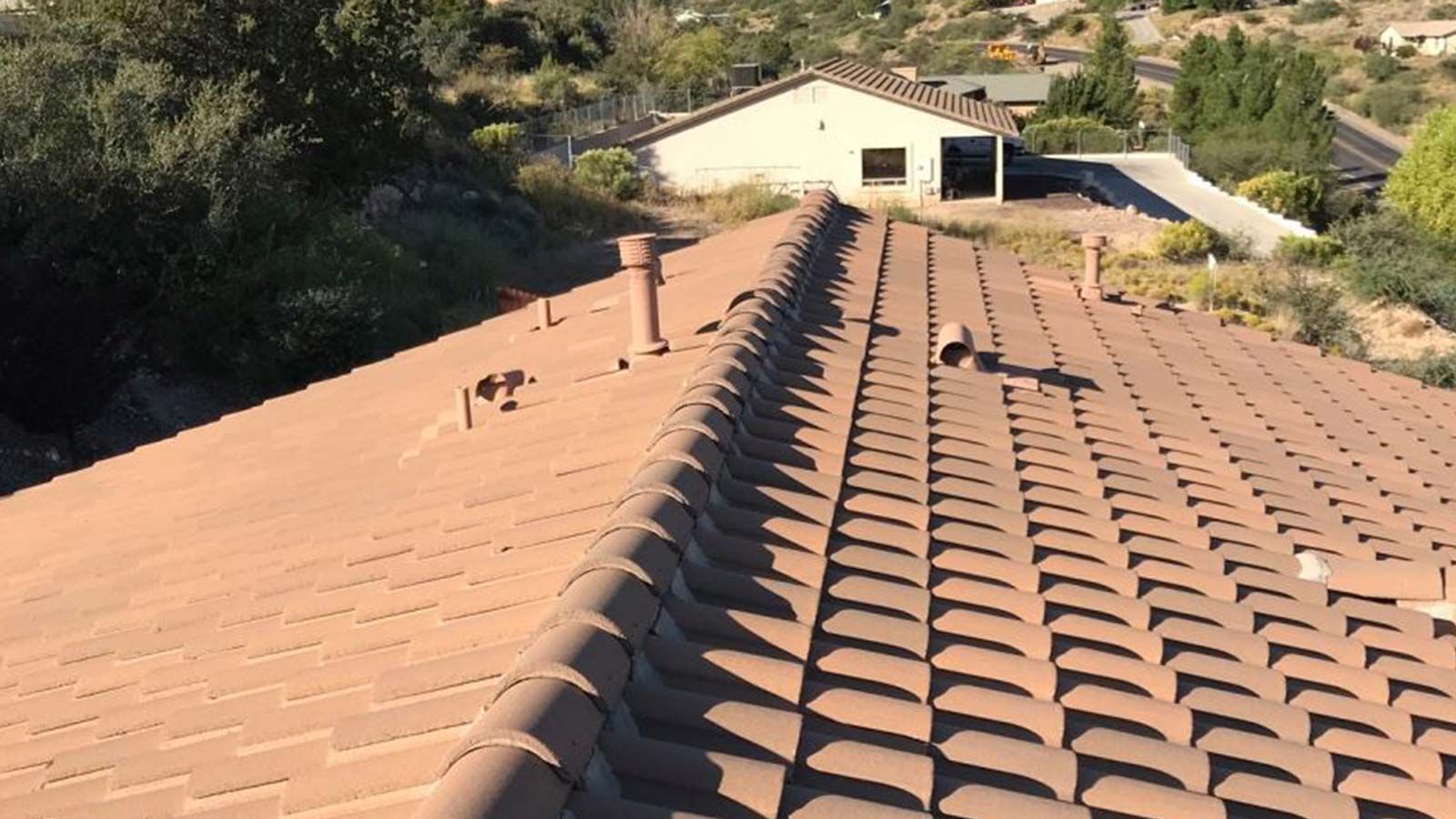
Get your roof ready for autumn in Cottonwood with these expert fall roofing tips. Learn about inspections, debris clearing, attic ventilation, and more!
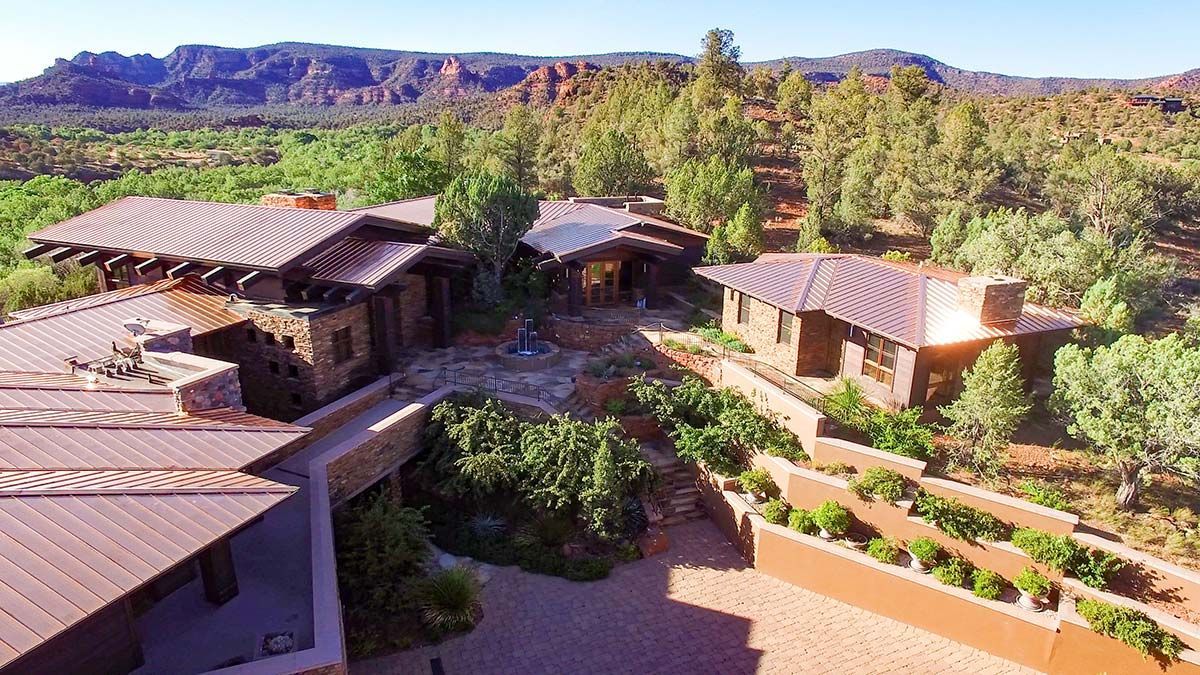
Wondering if a metal roof is worth it? Compare metal roofs vs. asphalt shingles for Arizona homes, including costs, durability, energy efficiency, and maintenance.
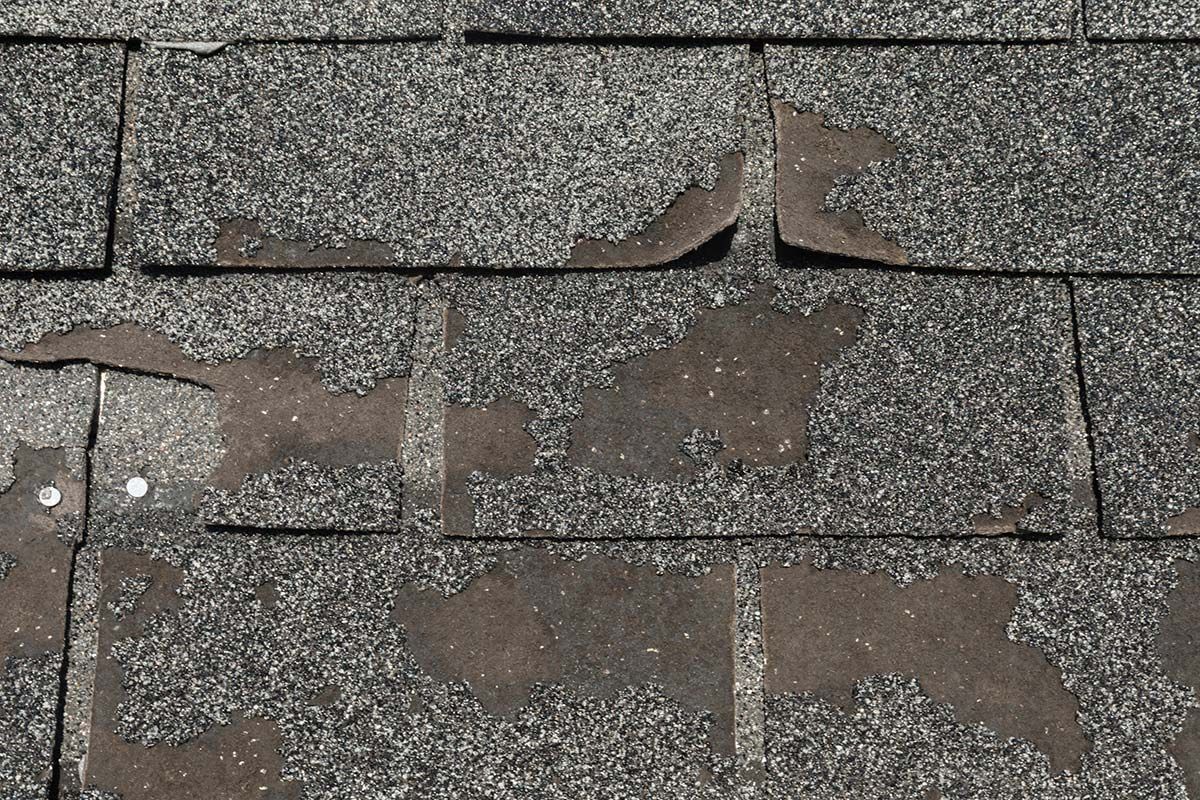
Discover how extreme heat, UV, and monsoons affect your roof in Arizona. Learn how Hahn Roofing helps Verde Valley homeowners protect their homes.